Prototyping to production
One partner across the whole product life
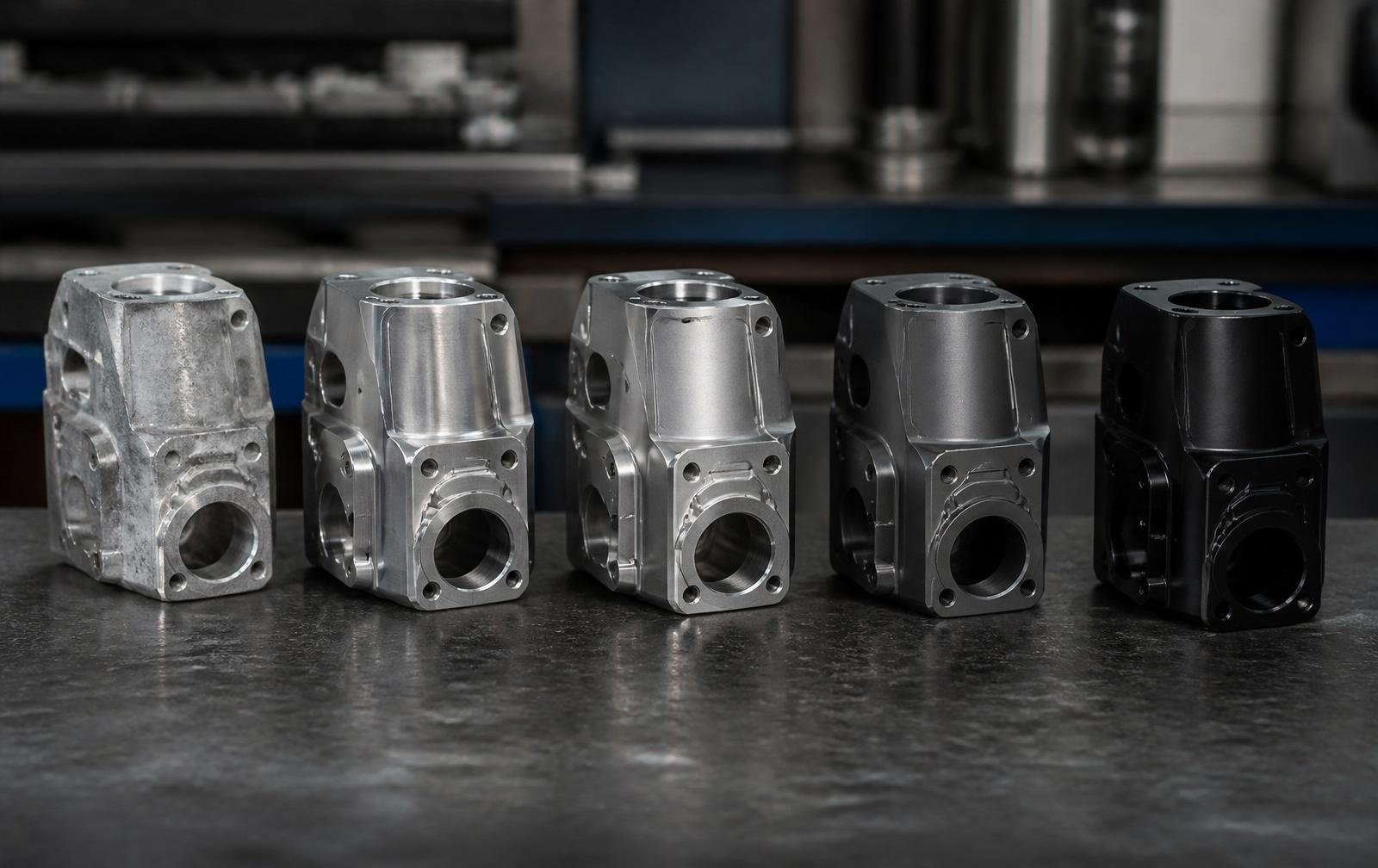
Prototype it machined, bridge it while the design settles, cast it when volume justifies the tool — same team throughout.
What that looks like
- Prototype
- Machined, days not weeks
- Bridge
- Machined batches pre-tooling
- Tooling
- Die cut in-house
- Volume
- Cast, machined, finished
The route
Four stages, no supplier change
01
Prove the design
Machined parts in the real alloy so testing means something.
02
Bridge the gap
Small batches keep your launch moving while tooling is cut.
03
Cut the tool
Die designed, machined, hardened and sampled in-house.
04
Run production
Scheduled batches with inspection records and buffer stock.
Why it saves time
The usual cost of scaling is re-qualification: a new supplier, new fixtures, new inspection baselines, new arguments about whose dimension is right. Keeping the whole route in one workshop removes that entirely — the engineer who machined your prototype is the one specifying the die.
Scaling a part this year?
Send your CAD file, drawing or sample part — an engineer reviews every enquiry and replies with material, tolerance and lead-time options.